
3 Common PACCAR Engine Repairs That Keep 18-Wheelers Road-Ready
PACCAR engine problems can turn a productive Honolulu workday into expensive downtime fast. Learn three common repair areas involving fuel delivery, cooling, and turbocharging, plus the warning signs that tell you it is time to schedule service.
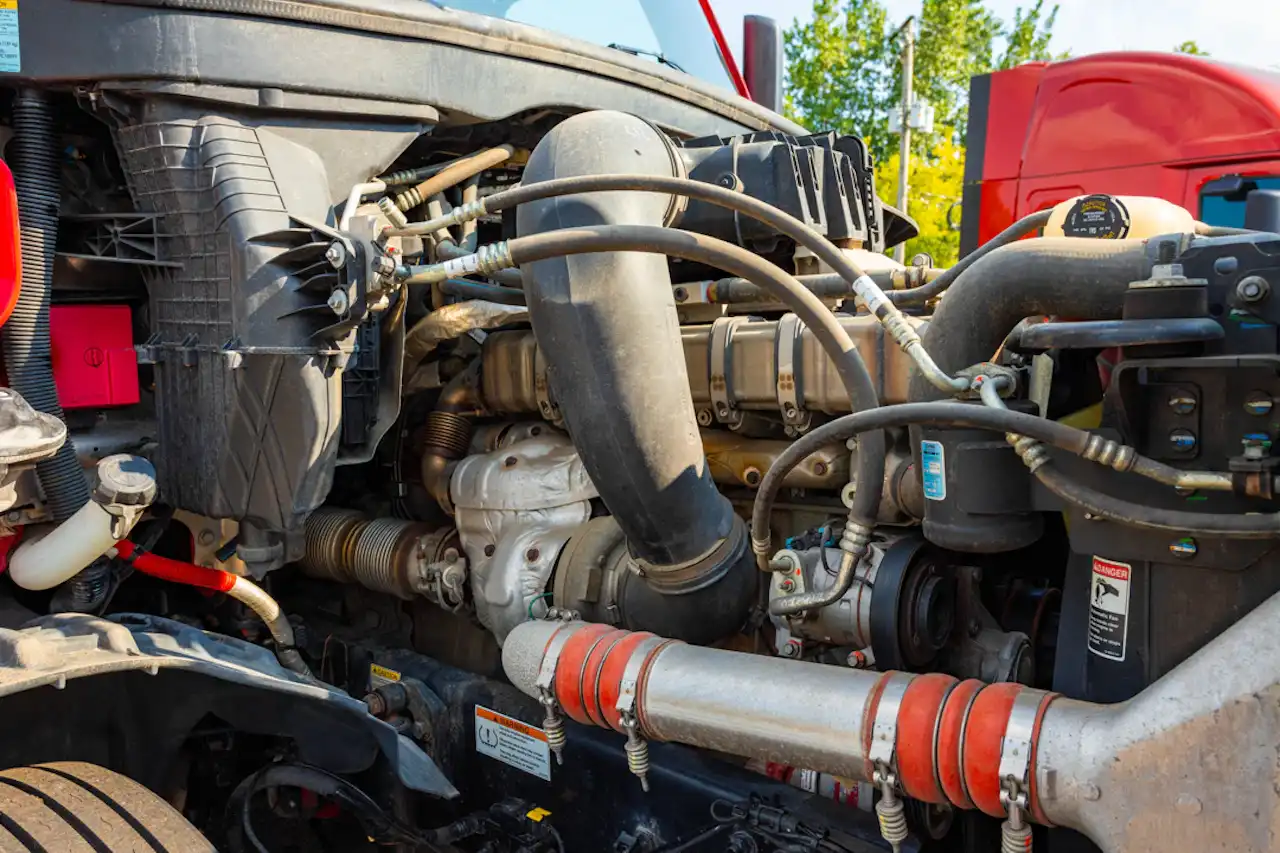
A PACCAR-powered 18-wheeler can feel perfectly healthy one day and suddenly start losing power, running hot, or struggling under load the next. Those symptoms do not always mean the entire engine is failing.
Many problems trace back to a handful of critical systems that keep combustion, temperature, and airflow under control. Knowing the warning signs can help you catch trouble earlier and keep your truck moving around Honolulu and across Oahu.
What Are the Most Common PACCAR Engine Repairs?
Some of the most important PACCAR engine repairs involve the fuel system, cooling system, and turbocharger or air-management components. Each directly affects how efficiently the engine creates power and handles demanding commercial workloads.
When symptoms point toward internal or major engine trouble, professional PACCAR engine repair can help determine whether the problem calls for a component repair, more extensive overhaul work, or another solution.
PACCAR's modern heavy-duty engines rely on tightly controlled fuel delivery, airflow, cooling, lubrication, and electronic management. The broader PACCAR powertrain systems lineup reflects how closely the engine works with the rest of the truck's drivetrain and supporting systems.
1. Why Do PACCAR Fuel System Repairs Matter?
A diesel engine depends on precise fuel delivery. Fuel must reach the combustion chamber at the correct pressure and at the correct time for the engine to produce dependable power.
Problems with injectors, fuel supply components, sensors, or related hardware can disrupt that process. Once fuel delivery becomes inconsistent, you may notice changes in performance long before the truck stops running.
Common signs of a PACCAR fuel system problem can include:
- Hard starting or extended cranking
- Rough idling
- Loss of pulling power
- Poor throttle response
- Increased fuel consumption
- Excessive exhaust smoke
- Engine misfires
- Warning lights or fault codes
A failing injector is one possible cause, but it is not the only one. Low fuel pressure, contamination, wiring problems, sensor faults, or restrictions in the fuel system can create similar symptoms.
That is why diesel fuel system diagnostics should come before replacing expensive parts. Technicians can evaluate fuel pressure, electronic data, injector performance, and related components to narrow down the actual failure.
What Happens When a Fuel Injector Starts Failing?
Fuel injectors have to atomize diesel fuel properly so combustion can occur efficiently. If an injector delivers too much fuel, too little fuel, or an inconsistent spray pattern, engine performance can suffer.
A truck may begin running rough, smoking, losing fuel economy, or feeling weak under load. In more severe cases, continued operation with a significant fueling problem can place additional stress on the engine.
Replacing an injector without confirming the cause can also waste time and money. A technician should determine whether the injector itself has failed or whether another fuel, electrical, or control issue is creating the symptom.
2. Why Are PACCAR Cooling System Repairs So Important?
Heavy-duty diesel engines generate enormous amounts of heat. The engine cooling system carries that heat away from the engine and releases it through the radiator so operating temperatures remain controlled.
That job becomes especially important in Hawaii. Honolulu's warm climate, slow traffic, heavy commercial loads, and long periods of operation can place considerable demand on the cooling system.
Common cooling-system trouble can involve:
- Coolant leaks
- Radiator restrictions
- Water pump problems
- Thermostat issues
- Damaged hoses
- Fan or fan-clutch problems
- Low coolant levels
- Contaminated or degraded coolant
If your PACCAR engine starts running hotter than usual, do not assume topping off the coolant solves the issue. Low coolant is often a symptom of another problem.
What Are the Warning Signs of PACCAR Engine Overheating?
A rising temperature gauge is the obvious warning, but overheating problems can show up in other ways.
Watch for recurring coolant loss, visible leaks, coolant odors, reduced performance, warning lights, or a cooling fan that behaves abnormally. A truck that only overheats while pulling a heavy load or sitting in slow Honolulu traffic may also provide an important diagnostic clue.
Ignoring PACCAR engine overheating can lead to much more serious damage. Excessive heat can affect seals, gaskets, lubricants, and internal engine components.
A properly functioning cooling system depends on coolant circulation and heat transfer. Your water pump moves coolant through the engine, while the radiator and airflow help release absorbed heat.
Catching a cooling problem before temperatures climb excessively is usually far less costly than repairing the damage overheating can cause.
3. Why Do Turbocharger and Airflow Problems Affect PACCAR Engines?
Your engine needs air as much as it needs fuel. On a turbocharged diesel engine, the turbocharger helps force additional air into the engine so it can efficiently produce the power required for heavy hauling.
When that airflow is disrupted, you may notice a sharp change in how the truck performs.
Possible signs of PACCAR turbocharger problems include:
- Reduced engine power
- Slow acceleration
- Poor response under load
- Unusual turbo noise
- Excessive smoke
- Abnormal boost readings
- Increased fuel consumption
- Engine fault codes
Not every boost problem means the turbocharger itself has failed. Air leaks, damaged hoses, sensors, charge-air components, exhaust restrictions, or control-system problems can create similar symptoms.
That makes turbocharger diagnostics important before committing to a replacement.
How Do Technicians Diagnose a PACCAR Power-Loss Problem?
Power loss is one of the trickiest diesel complaints because several systems can create the same symptom.
A technician may evaluate fault codes, live engine data, fuel pressure, turbocharger boost, airflow, exhaust restrictions, cooling-system performance, and other operating conditions. General diesel engine repair also relies on matching symptoms with inspections and testing before deciding which components need attention.
For example, weak acceleration could result from a fueling issue, an air leak, insufficient boost, or an engine-management problem. Testing helps separate those possibilities.
Good heavy-duty engine diagnostics prevent a repair from becoming a parts-swapping exercise.
How Can Honolulu Truck Owners Reduce PACCAR Engine Problems?
Preventive maintenance will not eliminate every breakdown, but it can help uncover small problems before they become expensive ones.
Pay particular attention to:
- Engine oil and filter service. Proper lubrication protects moving internal components and helps control heat.
- Coolant condition and level. Low, contaminated, or deteriorated coolant can compromise temperature control.
- Fuel system maintenance. Clean fuel and timely filter service help protect sensitive fuel-system components.
- Air intake inspections. Restrictions and damaged intake plumbing can affect engine performance.
- Warning lights and fault codes. Investigate recurring faults instead of continually clearing them.
- Unusual noises or smoke. Changes in sound, exhaust appearance, or engine behavior deserve attention.
Small changes in performance often provide the earliest warning that something is developing.
Why Should You Address Engine Problems Before They Cause a Breakdown?
A minor performance issue is easier to manage when the truck is already in the yard. It becomes much more disruptive when the truck loses power or overheats during a delivery.
If a truck does break down, drivers should know how to secure the vehicle and arrange help safely. Familiarity with broader vehicle warning signs also matters; for example, these truck HVAC warning signs can help Honolulu operators recognize when another heat-sensitive truck system needs attention.
Routine inspections, accurate diagnostics, and timely repairs can help extend engine life while reducing unplanned downtime.
Keep Your PACCAR-Powered Truck Road-Ready in Honolulu
Fuel delivery, cooling, and turbocharger performance all play major roles in how a PACCAR engine handles daily commercial work. When one of those systems starts acting up, early diagnosis can prevent a smaller problem from developing into extensive engine damage.
808 Diesel Doc LLC provides PACCAR engine repair for heavy-duty trucks dealing with power loss, overheating, fuel-system concerns, and other engine problems. Schedule service when your truck starts showing symptoms instead of waiting for the problem to leave you parked.