
What Causes Clogged Fuel Injectors in Diesel Engines and How to Prevent Them
Clogged fuel injectors hurt diesel engine performance, causing rough idling & hard starts. Learn what causes buildup in Honolulu's work trucks & how to prevent costly injector repairs down the road.
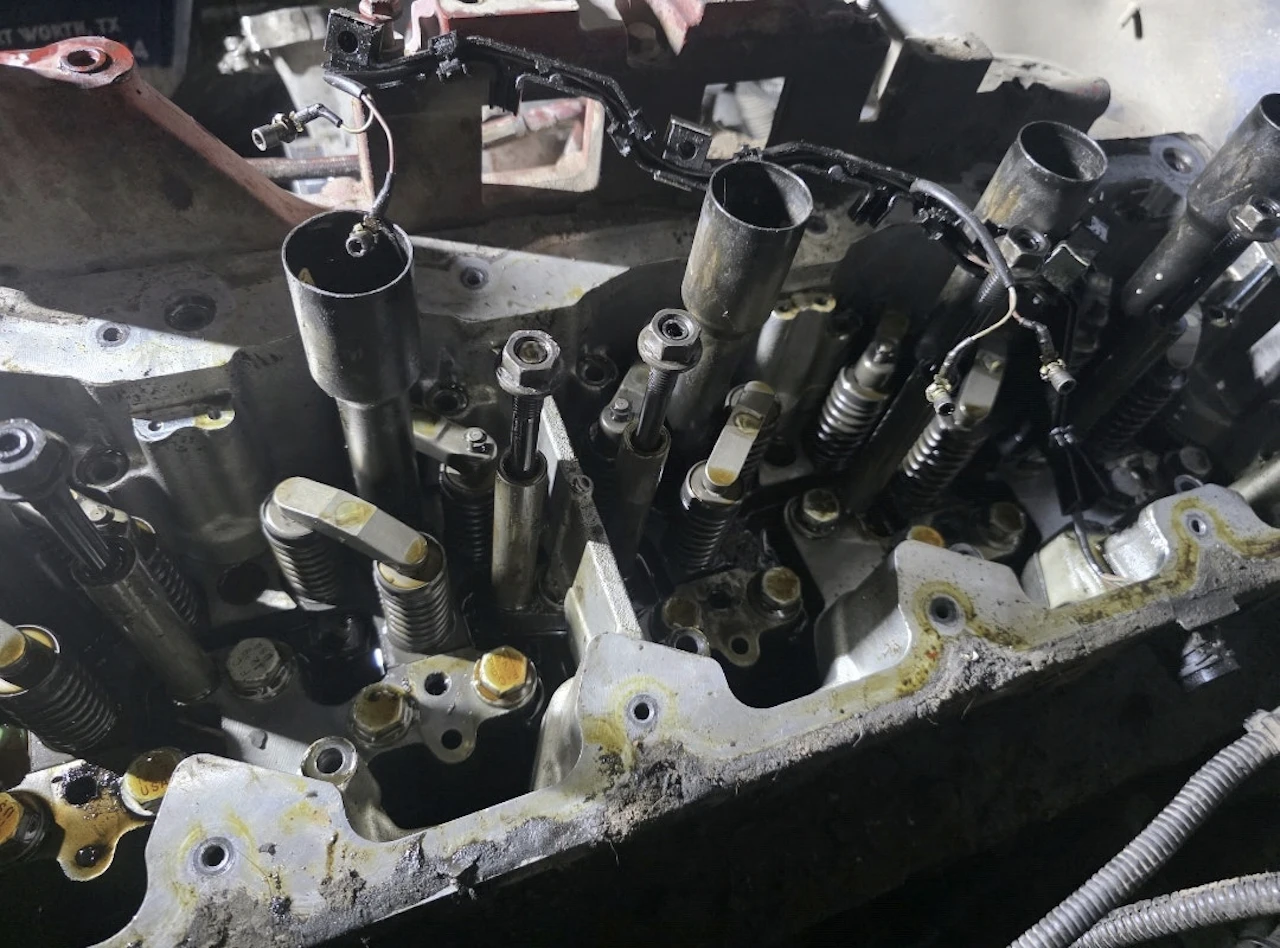
Diesel engines are known for their durability, power, and efficiency. From heavy-duty trucks hauling freight across islands to work pickups used on job sites around Honolulu, diesel engines are built to handle serious workloads. But even the toughest engines can run into trouble when clogged fuel injectors in diesel engines start to develop.
Fuel injectors are responsible for delivering a precise spray of atomized diesel fuel into the combustion chamber. When they become restricted or dirty, engine performance can drop off quickly. Reduced fuel efficiency, rough idling, and hard starts are just a few of the warning signs.
Understanding what causes injector clogging and, more importantly, how to prevent it can save drivers and fleet owners from expensive repairs down the road.
What Fuel Injectors Do in a Diesel Engine
Before diving into the causes of clogged fuel injectors in diesel engines, it helps to understand what these components actually do.
A diesel injector’s job is simple in theory but complex in practice. It sprays highly pressurized fuel directly into the combustion chamber at precisely the right time. The fuel must be atomized into an extremely fine mist so it mixes efficiently with compressed air inside the cylinder.
When the injector performs correctly:
- Combustion is clean and efficient
- The engine produces maximum power
- Fuel economy stays high
But when injectors begin to clog, that finely tuned spray pattern turns into an uneven stream. That’s when problems begin to pile up.
Common Causes of Clogged Fuel Injectors in Diesel Engines
Several factors contribute to injector clogging. Some develop gradually over time, while others can happen surprisingly fast.
Contaminated Diesel Fuel
One of the biggest culprits behind clogged fuel injectors in diesel engines is contaminated fuel.
Diesel fuel can contain impurities such as:
- Dirt and debris
- Rust particles from fuel tanks
- Water contamination
- Microbial growth (diesel algae)
When these contaminants enter the fuel system, they can accumulate inside the tiny openings of the injector nozzle. Since these openings are microscopic, it doesn’t take much buildup to restrict fuel flow.
In humid environments like Hawaii, water contamination can be especially common if fuel tanks aren’t properly maintained.
Carbon and Fuel Deposits
Over time, combustion creates carbon deposits that can accumulate on injector tips. These deposits interfere with proper fuel atomization.
This buildup often happens due to:
- Low-quality diesel fuel
- Frequent short trips
- Incomplete combustion
- Engine idling for long periods
Once deposits start forming, they can disrupt the spray pattern and worsen fuel delivery problems.
Poor Fuel Filtration
The fuel filter is the first line of defense against contaminants. If the filter becomes clogged or isn’t replaced regularly, debris can slip past and reach the injectors.
When that happens, the chances of clogged fuel injectors in diesel engines increase dramatically.
A worn or cheap aftermarket filter may also fail to trap microscopic particles effectively.
Water in the Fuel System
Water and diesel fuel don’t mix well.
If water enters the fuel system through condensation, poor fuel storage, or contaminated fuel, it can cause corrosion and microbial growth. Both issues can lead to injector blockages.
Water can also damage internal injector components, which affects spray pressure and timing.
Extended Idling
Many diesel engines spend long periods idling, especially in work trucks or fleet vehicles.
While idling may seem harmless, it can actually contribute to clogged fuel injectors in diesel engines because:
- Combustion temperatures stay lower
- Fuel may not burn completely
- Carbon deposits form faster
Over time, those deposits accumulate on injector tips and restrict fuel flow.
Symptoms of Clogged Fuel Injectors in Diesel Engines
When injectors start to clog, the engine will usually give a few warning signs.
Common symptoms include:
- Rough idle or shaking engine
- Hard starting or extended cranking
- Poor fuel economy
- Loss of power under load
- Excessive black smoke from the exhaust
- Engine misfires or hesitation
Drivers may also notice increased fuel consumption or reduced throttle response.
Ignoring these symptoms can eventually lead to larger fuel system problems.
How to Prevent Clogged Fuel Injectors in Diesel Engines
The good news is that most injector problems are avoidable. It comes down to fuel quality and staying on top of basic maintenance.
Use High-Quality Diesel Fuel
Buy from stations with high fuel turnover. Fresh diesel is less likely to carry contaminants or microbial growth, and lower-quality fuel is one of the fastest ways to accelerate injector buildup. If your truck sits for extended periods, a fuel stabilizer goes a long way toward preventing deposit formation.
Replace Fuel Filters on Schedule
This is one of the simplest things you can do. Most manufacturers recommend replacing fuel filters every 10,000 to 20,000 miles for light-duty trucks and every 15,000 to 30,000 miles for heavy-duty. If you're running in dusty or harsh conditions, bump that up. Don't wait until the filter is telling you it's done.
Use Diesel Fuel Additives
A good injector cleaning additive breaks down carbon deposits, improves fuel atomization, and reduces buildup over time. You don't need to use them constantly, but running them periodically helps extend injector life and keeps combustion where it should be.
Drain Water Separators
Most diesel systems have a water separator that catches moisture before it reaches the injectors. If you're not draining it regularly, water eventually overflows into the fuel system and causes exactly the kind of damage you're trying to avoid. This is especially easy to overlook in humid climates, where moisture accumulates faster.
Avoid Excessive Idling
Some idling is unavoidable, but unnecessary idle time lets carbon build up inside the fuel system. Getting the truck under load periodically helps the engine reach proper operating temperature and burns off deposits before they become a problem.
Stop Diesel Injector Problems Early
Fuel injectors play a crucial role in diesel engine performance. When they become restricted, the effects can ripple through the entire fuel system. Issues like contaminated fuel, carbon buildup, poor filtration, and water intrusion are some of the most common causes of clogged fuel injectors in diesel engines.
Fortunately, most injector problems can be avoided through simple preventive maintenance, using quality diesel fuel, replacing filters regularly, draining water separators, and limiting unnecessary idling.
With 808 Diesel Doc LLC, you stay proactive with fuel system care, and drivers can keep their diesel engines running smoothly, efficiently, and reliably for years to come. Contact us for a professional inspection, which can help diagnose the issue early and prevent costly engine damage. For more information, read our article on signs your fleet needs maintenance.