
Why Heavy Equipment Hydraulic Systems Fail Faster in Honolulu’s Coastal Climate
Heavy equipment in Honolulu faces harsh conditions such as salt air, humidity, trade winds, heat, and debris, which can stress hydraulic systems. This shortens component life and raises repair needs. Owners should identify wear early to prevent downtime.
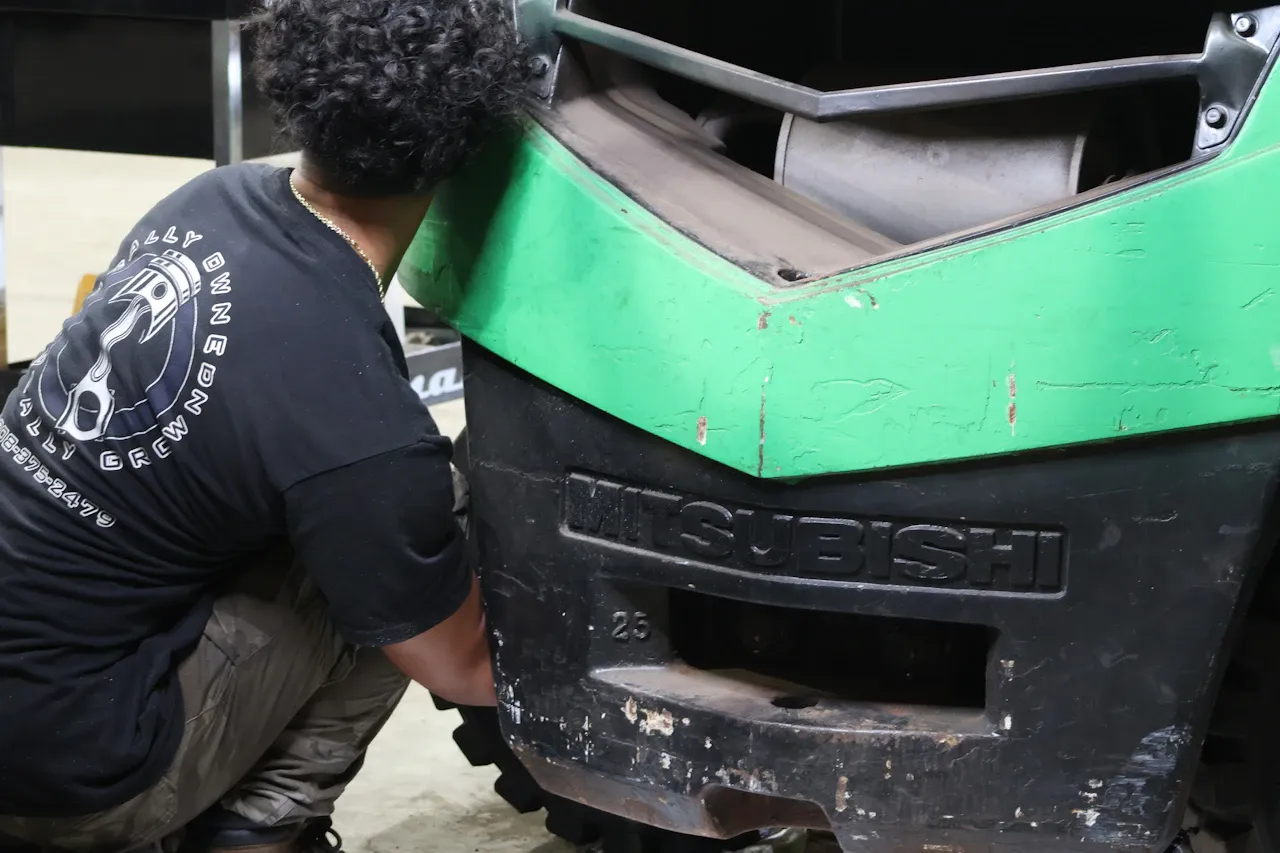
Heavy equipment in Honolulu faces harsh conditions like salt air, humidity, trade winds, heat, and debris, stressing hydraulic systems. For various machines, this shortens component life and increases repair needs. Hydraulics power lifting, digging, steering, and braking through pressurized liquid, relying on clean fluid, sealed parts, correct pressure, cooling, and hose routing.
Failures quickly spread through pumps, valves, hoses, filters, cylinders, and reservoirs. Equipment owners should focus on understanding local wear causes and addressing signs early to prevent downtime.
Honolulu’s Coastal Climate Creates Year-Round Exposure
Honolulu's equipment faces constant environmental wear due to Hawaii’s mild, humid, and windy climate, exposing it to heat, moisture, salt, and changing conditions year-round. Hydraulic systems with exposed parts like cylinders, hoses, and valves are especially vulnerable. Hawaii’s diverse microclimates—from marine to volcanic—also influence corrosion risk across sites.
In practical terms, a machine operating near the harbor may experience different exposure than one operating inland, uphill, or on a windward site. However, the pattern remains the same: hydraulic systems in coastal areas require more frequent inspection and more consistent preventive maintenance.
Salt Air Accelerates Corrosion On Fittings, Lines, And Cylinder Rods
Salt air accelerates hydraulic system failure near coastlines by exposing metals to chloride and moisture, causing corrosion to progress more quickly than inland.
In hydraulics, corrosion can damage several critical components:
- Cylinder rods
- Hose fittings and crimp collars
- Steel hydraulic lines
- Quick couplers
- Valve bodies
- Mounting brackets and clamps
- Cooler fins and reservoir surfaces
Cylinder rods in particular require special care. Clean, smooth rods prevent seal wear, leaks, drift, and failure by avoiding corrosion pits and surface damage. Corroded fittings, though seemingly okay, can weaken at crimps, threads, or seal surfaces, increasing the risk of leaks and hose failure. Regular inspection, cleaning, and repairs are essential.
Humidity Increases The Risk Of Water Contamination
Humidity impacts hydraulic systems as reservoirs breathe with changing fluid levels and temperature. Worn or poorly maintained breathers, caps, seals, or access points allow moisture entry, and water contamination can also come from washdowns, damaged seals, loose caps, or storage issues.
Water inside hydraulic oil reduces lubrication, causes corrosion, and disrupts valve and pump operation. Solid particles, present in most hydraulic fluid, must be controlled to prevent system problems. Hydraulic fluid contamination is costly as it causes abrasion, blockages, seal damage, and wear in pumps, valves, lines, cylinders, filters, and reservoirs.
A contaminated system may exhibit symptoms such as:
- Milky or cloudy hydraulic oil
- Foaming in the reservoir
- Sluggish operation
- Sticking control valves
- Unusual pump noise
- Repeated filter restriction
- Premature seal failure
- Internal rust or varnish buildup
Clean fluid handling is vital. Operators should keep fill points clean, use sealed containers, replace filters on schedule, and, whenever possible, avoid opening hydraulic circuits in dusty or wet areas.
Heat Breaks Down Hydraulic Oil And Seals
Hydraulic systems generate heat when pumps pressurize fluid, valves control flow, and cylinders convert energy. In warm weather, controlling heat is crucial to maintain pressure, lubrication, and protect parts.
Excess heat thins oil, reduces lubrication, speeds oxidation, and hardens seals, causing internal leaks and equipment problems like weakness, slowness, or inconsistency, even without external leaks.
Several conditions can cause hydraulic overheating:
- Low hydraulic fluid level
- Clogged or damaged hydraulic cooler
- Restricted filters
- Overloaded equipment
- Incorrect hydraulic oil
- Worn pump components
- Relief valve issues
- Continuous operation against relief pressure
Honolulu’s warm climate makes cooler conditions vital. Dirt, salt, corrosion, and debris block airflow, reducing cooling, which can cause the hydraulic circuit to overheat. Early inspection can prevent costly repairs like hydraulic pump and valve replacements.
Dust, Sand, And Debris Damage Seals And Moving Parts
Construction equipment often operates in dirty conditions, with soil, sand, debris, and dust around hydraulic parts. Coastal sites may also have moisture and oil, forming abrasive films on rods, fittings, and hoses.
Hydraulic cylinders are vulnerable. Wiper seals clean the rod but can wear or be overwhelmed by debris, allowing dirt to damage the rod, barrel, and seals. Leakage reduces pressure, efficiency, and may cause system failure. Repair involves inspecting the rod, chrome, barrel, gland, alignment, and contamination, not just seal replacement. New seals on a damaged rod only provide temporary relief.
Hose Wear Is A Major Source Of Downtime
Hydraulic hoses face pressure, vibration, heat, flexing, abrasion, UV, oil, and environmental contaminants. In Honolulu’s coastal climate, corrosion and moisture increase strain. Proper maintenance is vital, as neglect can lead to hose failures, blowouts, downtime, equipment damage, injury, or death.
Operators should watch for visible hose issues, including:
- Cracked outer covers
- Abrasion marks
- Exposed reinforcement wire
- Wetness near fittings
- Bulging or blistering
- Twisted hose routing
- Flattened sections
- Loose clamps
- Rust around crimps
A damaged hose shouldn't be ignored as hydraulic systems under high pressure risk injection injuries. Incidents happen above 100 bar and at lower pressures. Never check for leaks by hand; instead, shut down, depressurize, and use diagnostic tools and safety gear. Prompt repairs ensure safety and protect equipment, operators, and the jobsite.
Small Hydraulic Leaks Can Become Large Environmental And Operational Problems
A small drip may seem minor but hydraulic leaks rarely resolve on their own. Fluid loss lowers reservoir levels, raises heat, adds air, and causes erratic movement. Operating with low fluid risks, pumps cavitating, valves sticking, and loss of smooth control.
Leaks pose housekeeping and environmental risks on construction sites. Spill prevention measures apply to sites storing petroleum or pollutants. Honolulu's stormwater guidelines emphasize best practices, making spill control a key jobsite responsibility on Oahu.
For equipment owners, a leak is a repair and risk issue. Clean, contain, diagnose, and repair it before more fluid is lost or contamination occurs.
Warning Signs That Hydraulic System Repair Is Needed
Hydraulic failures show early signs; operators should report changes immediately. This helps technicians diagnose issues early, preventing shutdowns. Common signs include:
- Slow boom, bucket, blade, or lift movement
- Jerky or uneven hydraulic response
- Cylinder drift under load
- Weak lifting or digging power
- Whining, growling, or cavitation noise
- Foamy or discolored hydraulic oil
- Burnt fluid odor
- High hydraulic temperature
- Repeated low-fluid readings
- Visible wetness around hoses, fittings, cylinders, or valves
These symptoms suggest air intrusion, fluid contamination, internal leakage, pump wear, valve issues, clogged filters, or external leaks. Repair should include pressure and flow tests, visual inspections, fluid checks, and component diagnosis.
How Honolulu Equipment Owners Can Extend Hydraulic System Life
Hydraulic systems last longer with consistent, documented maintenance. In coastal areas, inspections should go beyond quick looks, emphasizing contamination control, corrosion prevention, heat management, and hose condition. A practical routine includes:
- Wash salt and debris from exposed hydraulic components.
- Inspect cylinder rods for pitting, scoring, and oil film.
- Check hoses for abrasion, cracking, bulging, and corrosion at the fittings.
- Keep hydraulic fill points clean before adding fluid.
- Replace filters at the recommended intervals.
- Use the correct hydraulic oil for the equipment and operating conditions.
- Monitor hydraulic fluid for discoloration, water, foam, and particles.
- Inspect coolers for blocked fins and corrosion.
- Repair small leaks before they become major failures.
- Train operators to report slow, noisy, or weak hydraulic performance.
Fluid cleanliness is crucial. ISO 4406 codes hydraulic fluid contamination, enabling owners and technicians to communicate and manage cleanliness better. For fleets dependent on daily output, scheduled inspections help prevent downtime. In Honolulu, repair services are vital for identifying worn hoses, contaminated oil, weak pumps, or leaks before failure on active jobs.
Conclusion
Honolulu’s coastal climate shortens hydraulic system life if not maintained, as salt air causes corrosion, humidity risks water contamination, heat speeds fluid and seal degradation, and dust damages parts. Hose wear can lead to downtime and safety hazards.
The best approach is a maintenance plan with prompt repairs, ensuring clean fluid, good hoses, and early leak detection to maximize uptime. For hydraulic diagnostics and repairs in Honolulu, contact 808 Diesel Doc LLC. Timely service keeps equipment productive and safe on Oahu.